From Pew to Pavement: 7 Practical Ways Our Church Can Strengthen Madison's Neighborhoods This Season
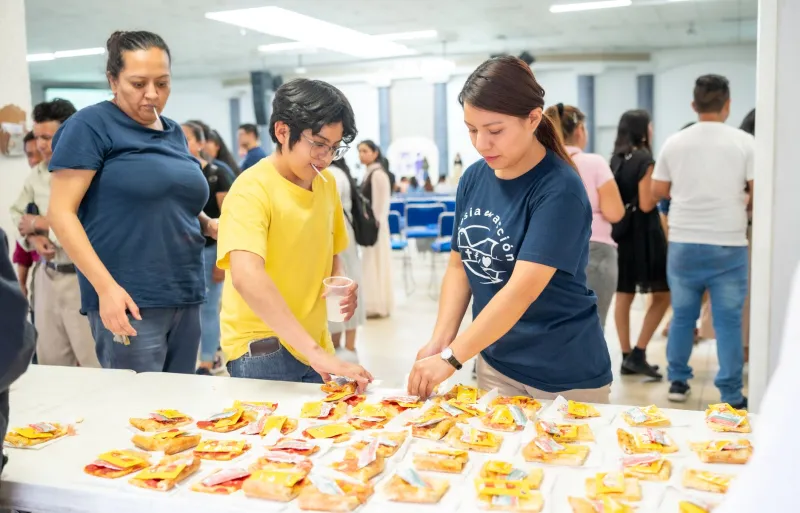
Faith communities have always been among the most potent forces for neighborhood cohesion in American life. Long before the language of "social capital" entered academic discourse, churches were hosting potlucks, organizing food drives, and serving as gathering places for people who might otherwise have remained strangers. In Madison — a city known for its civic engagement, its diverse neighborhoods, and its strong sense of local identity — this tradition carries particular vitality.
At Asbury United Methodist Church, we believe that our calling does not end at the sanctuary door. The gospel we proclaim on Sunday mornings must find expression in the relationships we cultivate throughout the week. This season, we are inviting every member of our congregation — and every faith community across our city — to consider these seven practical, actionable ways to deepen the bonds that make Madison not just a place to live, but a place to belong.
1. Launch a "Welcome Table" for New Neighbors
Madison's neighborhoods see consistent turnover, particularly in areas near the university and in growing residential corridors. New arrivals often spend their first months in a city feeling profoundly anonymous. A church-organized welcome initiative — a simple basket of local resources, a handwritten note, and an invitation to an upcoming community meal — can interrupt that isolation in a meaningful way.
How to implement it: Coordinate with a few dedicated volunteers to monitor neighborhood social media groups and building management contacts for move-in activity. Prepare welcome kits that include practical Madison information (farmers market schedules, library card details, local service contacts) alongside a warm personal note from your congregation. The gesture costs very little and communicates a great deal.
2. Partner with a Local School for Seasonal Service
Madison's public schools consistently identify volunteer reading partners, after-school mentors, and supply donors as among their most pressing needs. A church that shows up reliably for a neighborhood school becomes, over time, a trusted and beloved institution in that community — not because of any programmatic agenda, but because of demonstrated, consistent care.
How to implement it: Reach out to the principal or family engagement coordinator at your nearest Madison Metropolitan School District campus. Ask specifically what they need this season — it may be tutoring support, help with a fall carnival, or donations for a winter coat drive. Then organize a sign-up within your congregation and commit to showing up.
3. Host a Community Meal That Belongs to Everyone
The shared table has been a cornerstone of Christian community since the earliest church gatherings described in Acts. A neighborhood meal — free, open to all, and explicitly designed to welcome people who have no connection to your congregation — is one of the most powerful statements a faith community can make about the nature of grace.
How to implement it: Reserve your fellowship hall for a Saturday afternoon and advertise through neighborhood Facebook groups, NextDoor, local libraries, and community bulletin boards. Keep the atmosphere informal and genuinely welcoming. Resist the impulse to make it a recruitment event. Let the meal be the ministry.
4. Organize a Neighborhood Clean-Up or Beautification Project
Wisconsin's seasonal transitions offer natural moments for collective outdoor effort. A fall leaf-clearing initiative for elderly or mobility-limited neighbors, a spring planting day in a community green space, or a summer litter cleanup along a neighborhood corridor — these projects accomplish practical good while creating the side-by-side, shoulder-to-shoulder experiences that build genuine friendship.
How to implement it: Identify a specific geographic area — ideally within walking distance of your church building — and coordinate with Madison's Parks Division or your neighborhood association for any necessary permissions. Promote the event widely, provide all necessary equipment, and plan for a simple shared lunch afterward. The meal after the work is often where the real community-building happens.
5. Create a Skill-Sharing Exchange
Every congregation contains a remarkable diversity of expertise — retired educators, healthcare workers, tradespeople, artists, financial advisors, gardeners, and more. A skill-sharing exchange invites both congregation members and neighbors to contribute and receive practical knowledge in a spirit of mutual generosity.
How to implement it: Survey your congregation for skills people are willing to share, then open the exchange to the broader neighborhood. Offerings might include free tax preparation assistance in February, basic home repair workshops, English conversation practice, financial literacy sessions, or cooking classes featuring diverse culinary traditions. Publicize through local community channels and host sessions in an accessible, welcoming space.
6. Establish a Consistent Presence at Neighborhood Gatherings
Madison's neighborhoods host a rich calendar of community events — farmers markets, block parties, neighborhood association meetings, cultural festivals, and park programming. A church that sends members not to evangelize but simply to participate, to listen, and to contribute to the common life of the neighborhood builds a form of trust that no advertising campaign can replicate.
How to implement it: Identify two or three recurring neighborhood gatherings where your church could maintain a consistent, low-key presence. Encourage members to attend not as official church representatives, but as neighbors who happen to share a faith community. Over time, these repeated encounters create the relational infrastructure for deeper connection.
7. Develop a Pastoral Care Network That Extends Beyond Your Congregation
Neighborhoods contain people in crisis — families navigating illness, individuals experiencing housing instability, elderly residents living in isolation, young parents overwhelmed without support networks nearby. A church that makes its pastoral care resources genuinely available to the surrounding community — not as a conversion strategy, but as an expression of neighbor-love — embodies the gospel in its most tangible form.
How to implement it: Work with your pastoral staff to develop a simple, accessible way for community members to request support — whether through a phone line, an email address, or a designated welcoming presence at church events. Train lay volunteers in compassionate listening and basic crisis referral. Establish relationships with Madison's social service network so that referrals can be made quickly and appropriately.
The Neighborhood Is Our Parish
John Wesley famously declared that "the world is my parish" — a statement of radical geographic and relational openness that has defined Methodist mission ever since. Here in Madison, our parish is the block, the apartment building, the school hallway, and the park bench. It is wherever our neighbors are.
We invite you to join Asbury UMC this season in moving from pew to pavement — carrying the warmth, the welcome, and the grace of our community into every corner of this city we are privileged to call home. For more information about our current outreach initiatives or to get involved, visit us at asburyumcmadison.com or stop by during any of our weekly services.